
Zero Trust Network Access doesn’t need to be complicated. At its core, ZTNA solutions are built on a simple philosophy: never trust, always verify.
Portnox delivers fast, frictionless, cloud-native ZTNA that adapts to any user, device or location. Unlike VPNs, which rely on implicit trust, Portnox ZTNA ensures every request is continuously verified before granting application access.


| VPN | ZTNA Solutions |
|---|---|
| Broad network access once authenticated | Application-specific access only |
| No device posture verification | Continuous endpoint checks |
| High latency, poor scalability | Cloud-native and elastic |
| Visible internal infrastructure | Applications remain hidden |

Legacy security models no longer protect modern businesses. VPNs assume implicit trust once a user enters the network, leaving organizations exposed to insider threats, unmanaged devices, and lateral movement. The shift is already underway: in Portnox’s 2026 CISO Perspectives survey, 93% of organizations said they plan to replace VPN technology by 2027, with 67% targeting the end of 2026.
With ZTNA solutions, access shifts from network-level trust to application-level control, helping organizations protect critical resources and reduce risk. Key drivers include:


Experience frictionless, cloud-native access control that reduces risk and scales with your business. with a 30 minute demo.
Staying ahead in IT means strengthening cybersecurity—and zero trust architectures now lead the charge. But let’s face it: embracing zero trust can feel daunting. With so many tools and complexities, it’s easy to lose your way.
To understand how organizations navigate zero trust, Portnox teamed up with TechTarget. We surveyed hundreds of IT and cybersecurity professionals across North America. Discover the insights we uncovered in our Trends in Zero Trust report.
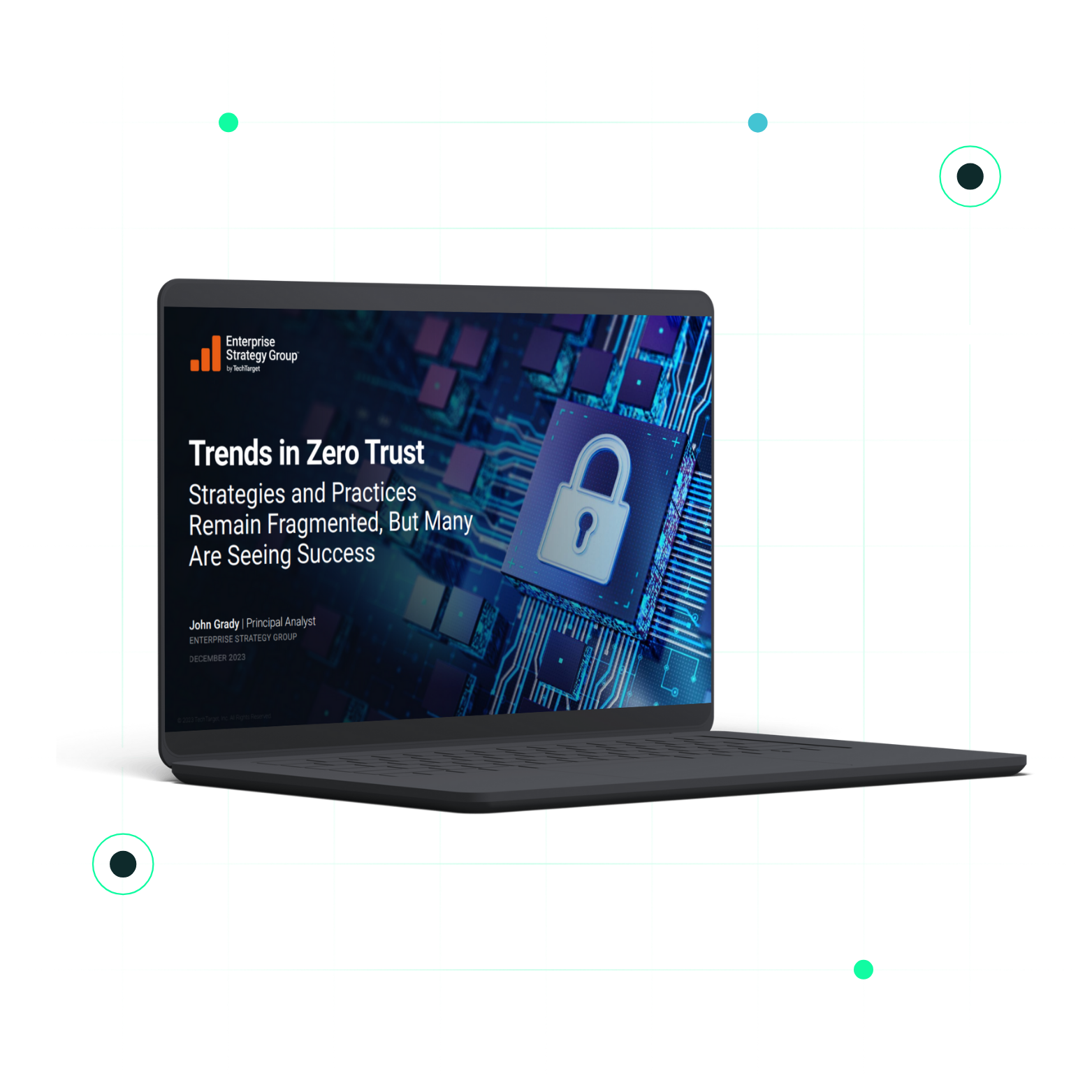
Hybrid work, cloud adoption, and distributed infrastructure have fundamentally shifted the enterprise access landscape, expanding the attack surface well beyond the traditional network perimeter. Identity has become the dominant threat vector, with stolen credentials driving the vast majority of breaches. Legacy VPN architectures are proving inadequate for today’s scale and complexity.
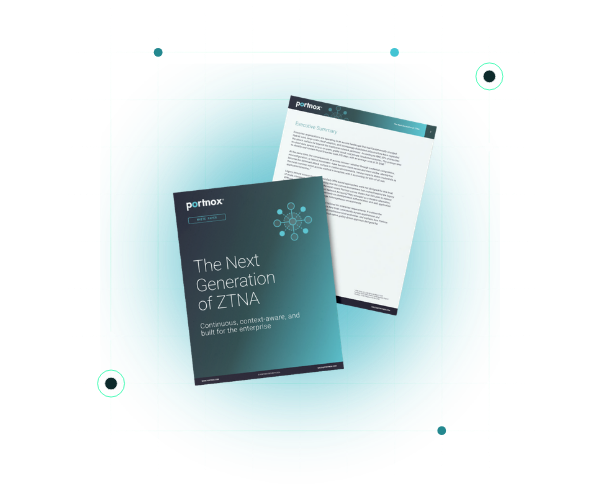
Learn more about a refined ZTNA model built for enterprise requirements that enforces zero trust consistently across applications and infrastructure.
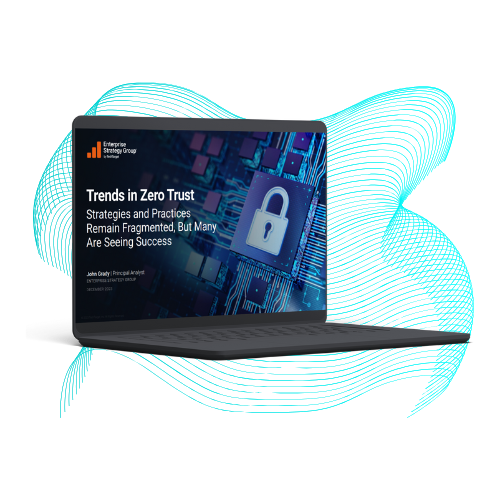
Staying ahead in IT means strengthening cybersecurity—and zero trust architectures now lead the charge. But let’s face it: embracing zero trust can feel daunting. With so many tools and complexities, it’s easy to lose your way.
To understand how organizations navigate zero trust, Portnox teamed up with TechTarget. We surveyed hundreds of IT and cybersecurity professionals across North America. Discover the insights we uncovered in our Trends in Zero Trust report.
ZTNA solutions provide secure, identity-based access to applications by continuously verifying users and devices. Unlike VPNs, they protect critical resources with per-app access controls that reduce the attack surface.
A ZTNA solution should include continuous device posture checks, identity-based access policies, application-level segmentation, and MFA support. Cloud-native ZTNA solutions like Portnox deliver this without on-premises hardware, using agentless, certificate-based authentication to securely connect users and devices from any location.
Traditional VPN solutions grant broad network access, leaving organizations exposed to lateral movement, cyber threats, and credential-based attacks. ZTNA solutions replace that model with identity-verified, per-app access that hides internal resources, blocks unmanaged devices, and enforces least-privilege permissions, reducing the attack surface without sacrificing remote work productivity.
ZTNA solutions remove the latency and frustration of VPNs. They provide fast, cloud-native access with passwordless authentication, improving employee productivity while reducing IT complexity. The Forrester TEI study commissioned by Portnox found that customers reduced time-to-access for protected resources by 80%, generating end-user productivity gains worth more than $110,000 in present value over three years.
Yes. As cloud-native services, ZTNA solutions offer the flexibility to support thousands of users and devices. Portnox ZTNA provides seamless scalability with responsive support for modern enterprises.
ZTNA solutions integrate technologies such as multi-factor authentication (MFA), behavioral analytics, and micro-segmentation to enforce granular access control policies in real time. Unlike perimeter-based tools, they continuously validate security posture across users, devices, and specific applications, protecting SaaS apps and cloud resources without relying on implicit trust.
Zero Trust Network Access (ZTNA) improves network security by eliminating implicit trust and restricting access to specific applications. Unlike traditional VPNs that grant broad network-level access, ZTNA enforces granular access control based on identity, device posture, and real-time risk context. This reduces credential exposure, limits unauthorized access and supports compliance initiatives.
Zero Trust Network Access (ZTNA) reduces lateral movement by hiding internal applications and limiting access to approved users and trusted devices. By enforcing continuous verification and application-level segmentation across hybrid and cloud environments, ZTNA shrinks the attack surface and helps protect sensitive data.
ZTNA improves security posture by connecting users directly to specific applications instead of the broader network, reducing unnecessary exposure. Access is granted based on identity, device posture, and context, helping organizations securely support cloud and SaaS environments without relying on legacy VPN access.
Portnox enforces the network-layer controls that zero trust requires: continuous verification of device identity and posture, role-based access policies, and automated response to non-compliant endpoints. It integrates with identity providers (Okta, Entra ID, Google Workspace, and others) to bind device trust to user identity, ensuring no device accesses the network without explicit, continuous verification.
After completing the form, an email will be sent to you with the report download link.