
IoT devices now outnumber traditional endpoints in most enterprise environments. From printers and cameras to medical equipment and building systems, these devices enable automation and efficiency, but they also expand the attack surface in ways traditional security tools were never designed to manage.
Portnox delivers cloud-native IoT security that helps organizations discover, identify, and control connected devices, without agents or appliances.



Many IoT devices were not built with enterprise-grade security in mind. Organizations commonly face IoT security risks such as:
IoT devices are also frequently deployed outside of formal IT processes, creating Shadow IoT that operates beyond traditional security controls. These gaps make it difficult to detect unauthorized devices, enforce consistent access policies, or prevent lateral movement once a device is compromised.

Portnox supports a wide range of IoT security use cases where visibility, access control, and compliance are critical:
These use cases demonstrate how agentless NAC and zero trust enforcement extend security to environments where traditional endpoint controls fall short.

You cannot secure what you cannot see.
Portnox provides continuous, agentless visibility into every IoT device connecting to the network, including unmanaged and embedded devices that cannot support agents or traditional authentication methods. This visibility spans wired and wireless environments and delivers the context security teams need to assess risk in real time.
Using advanced fingerprinting and profiling, Portnox identifies:
This intelligence enables more accurate IoT device classification, faster threat detection, and informed access decisions based on actual device behavior rather than assumptions.

Many legacy IoT and NAC platforms rely on appliance-based architectures that are costly to deploy and slow to adapt to dynamic environments. Portnox delivers a modern alternative by providing:
This approach aligns IoT security with zero trust principles and supports hybrid, distributed enterprise environments.

As IoT deployments continue to grow, organizations need security controls designed for scale, visibility, and unmanaged devices. Portnox delivers cloud-native IoT security that combines agentless discovery, access control, and automated enforcement — without agents or appliances.
Start your free 30-day trial or request a demo to see how Portnox secures IoT devices across modern enterprise networks.
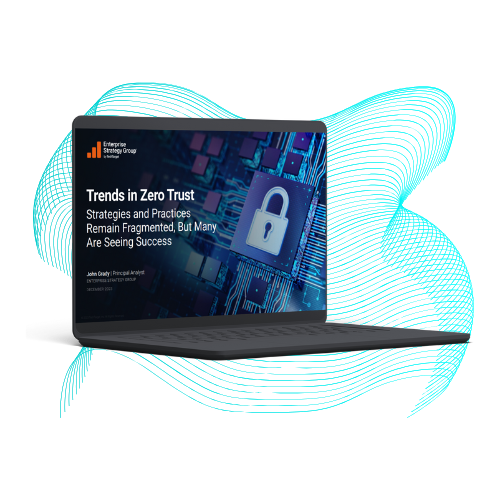
Staying ahead in IT means strengthening cybersecurity—and zero trust architectures now lead the charge. But let’s face it: embracing zero trust can feel daunting. With so many tools and complexities, it’s easy to lose your way.
To understand how organizations navigate zero trust, Portnox teamed up with TechTarget. We surveyed hundreds of IT and cybersecurity professionals across North America. Discover the insights we uncovered in our Trends in Zero Trust report.
IoT security solutions protect connected devices and the networks they operate on by providing visibility, access control, and continuous monitoring. These capabilities help organizations reduce risk, prevent unauthorized access, and manage large volumes of unmanaged devices more securely.
IoT security is important because many connected devices lack strong built-in protections. When unmanaged, they can be exploited to access sensitive systems, move laterally across networks, or disrupt critical operations.
Common IoT security risks include unknown or unmanaged devices, weak or shared credentials, outdated firmware, limited monitoring, and lack of segmentation. These gaps increase exposure to unauthorized access and security incidents.
Network Access Control improves IoT security by verifying devices before granting access and enforcing segmentation and least-privilege policies. NAC limits what devices can access if compromised and enables continuous enforcement across the network.
Zero trust applies to IoT environments by requiring continuous verification of devices rather than assuming trust. Devices are granted only the minimum access required, reducing exposure and limiting the impact of compromise.
Portnox secures agentless IoT devices using network-based identification, fingerprinting, and NAC policy enforcement. This approach allows organizations to control access and monitor behavior without installing software on the device.
Yes. IoT security solutions that provide visibility, access control, and audit logging help organizations demonstrate alignment with regulatory and industry frameworks while improving overall security posture.
Network segmentation reduces IoT security risks by isolating devices into approved network zones with limited access. If a device is compromised, segmentation helps contain the threat and prevent lateral movement to sensitive systems. Portnox enforces segmentation dynamically based on device type, behavior, and security posture.
IoT security solutions detect threats through continuous monitoring of device behavior to identify anomalies or signs of compromise. Instead of relying on one-time access decisions, Portnox evaluates devices throughout the session and can automatically restrict or isolate those exhibiting unusual or high-risk activity.
Portnox uses agentless device discovery and IoT fingerprinting to identify and profile devices without requiring installed software. It analyzes network traffic patterns, DHCP data, and MAC address OUI information to classify devices automatically, including printers, cameras, CCTV systems, and medical devices that traditional agents can’t reach.
Yes. Portnox generates complete device inventory reports documenting every connected endpoint, including unmanaged, BYOD, and IoT devices. These reports can be mapped to SOX, PCI DSS, and GLBA audit requirements, providing auditors with evidence of device awareness, access policy enforcement, and segmentation controls.
IoT fingerprinting identifies connected devices by analyzing network behavior rather than relying on an installed agent. Portnox uses fingerprinting to classify devices by type, manufacturer, and risk profile, enabling automatic policy enforcement without manual cataloging, which is critical when 60% or more of connected devices are unknown to IT teams.
After completing the form, an email will be sent to you with the report download link.