
Bring your own device (BYOD) is now standard across modern enterprises. Hybrid work, cloud-first applications, and distributed teams require secure access from personal devices, without expanding security risk or increasing operational complexity.
Portnox delivers cloud-native BYOD solutions that enforce identity-driven access control, validate device trust, and protect company data, without hardware appliances or endpoint agents and with reduced reliance on passwords.


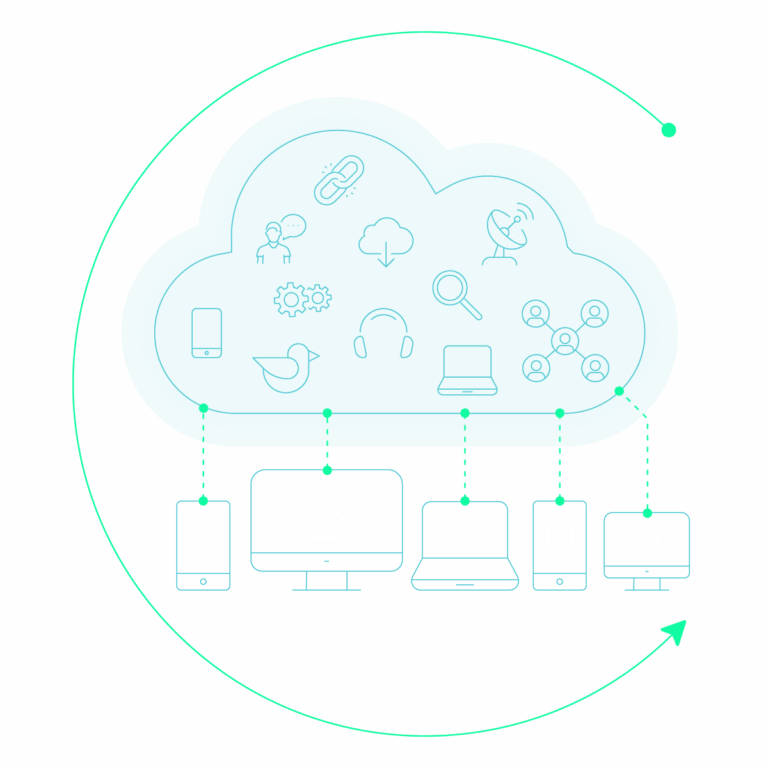
A formal BYOD program enables productivity and flexibility, but it also introduces risk if not properly secured.
Enterprises commonly face:
BYOD is not simply a device management issue. It is an access control and policy enforcement challenge. Enterprises must verify identity, validate device trust, and restrict access to sensitive data before connections are established.

Effective BYOD solutions must extend beyond mobile device management. While MDM tools configure managed devices, enterprises require identity-driven access control across both managed and employee-owned devices.
Enterprise-grade BYOD solutions should support:
Legacy VPNs and password-based systems cannot enforce consistent policy across distributed environments. Modern BYOD security must unify identity, device trust, and access management.

Portnox delivers agentless, cloud-native Network Access Control designed for enterprise BYOD environments. Certificate-based authentication replaces passwords, reducing credential exposure and help desk overhead while ensuring strong device identity validation before access is granted.
Portnox enables:
Because Portnox is cloud-native, enterprises deploy quickly without hardware appliances or infrastructure redesign — even at enterprise scale.

Enterprises choose Portnox because it secures BYOD access without increasing infrastructure complexity. Unlike device management-heavy solutions, Portnox focuses on securing access to company data, not simply configuring devices.
Key advantages include:
Portnox also supports compliance and audit readiness through:
With Portnox Cloud, you can enable certificate-based authentication and self-enrollment, so users can set their devices up themselves. Each device is assigned a risk score based on criteria you specify, allowing you to permit, quarantine, or deny access accordingly. Portnox also integrates seamlessly with MDM solutions like JAMF and Intune, providing additional options for device control.

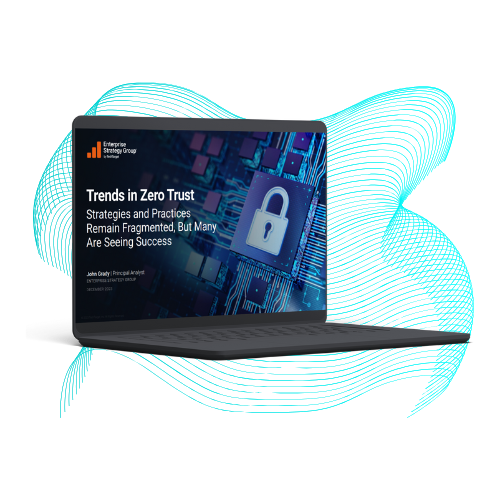
Staying ahead in IT means strengthening cybersecurity—and zero trust architectures now lead the charge. But let’s face it: embracing zero trust can feel daunting. With so many tools and complexities, it’s easy to lose your way.
To understand how organizations navigate zero trust, Portnox teamed up with TechTarget. We surveyed hundreds of IT and cybersecurity professionals across North America. Discover the insights we uncovered in our Trends in Zero Trust report.
BRING YOUR OWN DEVICE (BYOD)
A BYOD solution enables organizations to securely control access for employee-owned devices connecting to corporate networks and applications. Enterprise BYOD solutions focus on identity verification, device trust validation, and policy enforcement rather than device management alone.
Mobile device management (MDM) tools configure and manage devices. BYOD solutions enforce identity-based access control policies that determine whether users and devices can access corporate systems — including unmanaged devices that fall outside traditional device management programs.
Enterprise BYOD solutions strengthen security by validating user identity, verifying device posture, and enforcing least-privilege access before granting access to sensitive data. Certificate-based authentication further reduces credential risk and improves visibility across distributed environments.
Certificate-based authentication issues a unique digital certificate to a trusted device. When a device attempts to connect, its certificate verifies device identity without requiring password-based authentication, strengthening access control consistency.
BYOD solutions support zero trust by verifying identity and validating device posture before granting access. Continuous policy enforcement ensures that only authorized users on trusted devices can access enterprise systems and company data.
Portnox enforces BYOD policy through cloud-native Network Access Control that validates identity and device trust at the time of connection. Centralized policy enforcement is applied without requiring endpoint agents or hardware appliances.
Yes. Portnox enables granular BYOD policy enforcement based on user role, identity, and device type. Employees, contractors, and guests can receive different access levels and security requirements while maintaining centralized visibility and control.
After completing the form, an email will be sent to you with the report download link.