


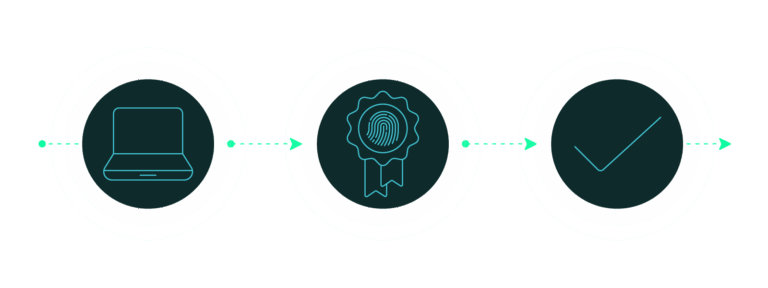
Digital certificates are rapidly replacing passwords as best practices for secure authentication, and it’s not surprising – they’re immune to phishing and malware, can’t be shared, and can’t be re-used the way passwords can. Thanks to EAP-TLS’s use of public key cryptography, the server certificate and the client-side certificate key exchange makes it immune to man-in-the-middle attacks. The challenge used to be that they were difficult to set up and deploy, but Portnox makes implementing certificate-based authentication easy.
With Portnox, we can act as your certificate authority or you can bring your own! We support SCEP as well (Simple Certificate Enrollment Protocol) so getting certificates deployed to all of your devices will be easy and fast. We seamlessly integrate with MDM solutions like JAMF and InTune too, so your mobile users aren’t left out. Your IT staff will love how easy it is to take your authentication methods to the next level, and your users will love not having to remember 10,000 passwords.
Staying ahead in IT means strengthening cybersecurity—and zero trust architectures now lead the charge. But let’s face it: embracing zero trust can feel daunting. With so many tools and complexities, it’s easy to lose your way.
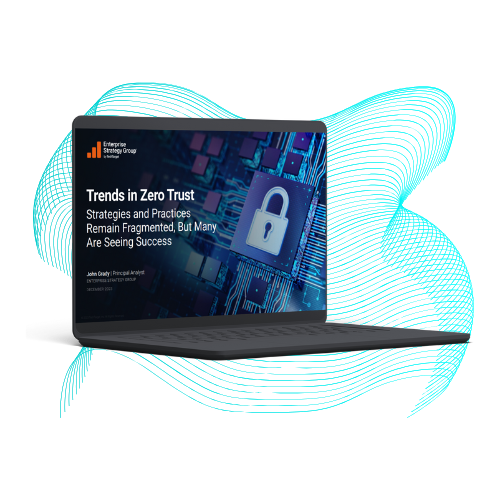
To understand how organizations navigate zero trust, Portnox teamed up with TechTarget. We surveyed hundreds of IT and cybersecurity professionals across North America. Discover the insights we uncovered in our Trends in Zero Trust report.
EAP-TLS is an Extensible Authentication Protocol method that uses digital certificates for mutual authentication between a client and a RADIUS server. Supported by Portnox Cloud, it provides strong, passwordless security through public key cryptography, ensuring only verified users and devices gain network access.
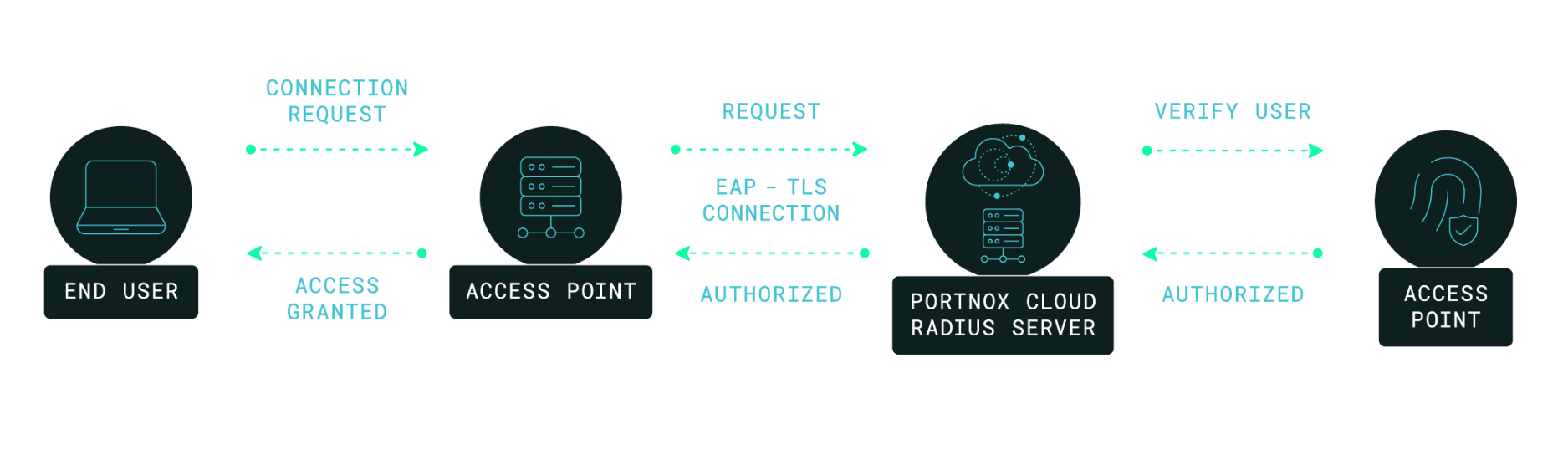
EAP-TLS authenticates both the client and server using digital certificates. The client requests access through an authenticator, which forwards credentials to a RADIUS server. Portnox Cloud validates certificates, establishes encrypted TLS sessions, and enables secure, certificate-based access to network resources.
EAP-TLS is one of the most secure EAP methods because it relies on mutual, certificate-based authentication instead of passwords. By using public key cryptography, it prevents credential theft and man-in-the-middle attacks, delivering enterprise-grade protection for wired and wireless connections.
EAP identity identifies the user or device requesting network access. During authentication, the client sends an identity response to the access point, which the RADIUS server verifies against its user database before establishing a secure EAP-TLS session.
EAP-TLS offers mutual authentication, certificate-based trust, and secure key exchange for dynamic encryption. It also supports fast reconnection and fragmentation handling, ensuring stable, secure communication between clients and servers in enterprise networks using Portnox Cloud RADIUS.
Portnox Cloud streamlines EAP-TLS certificate provisioning by automating enrollment and lifecycle management through its cloud-native certificate services. When devices connect, Portnox issues and validates certificates without manual processes or on-prem infrastructure. This allows organizations to deploy strong, mutual certificate-based authentication at scale for secure network access while reducing administrative overhead and eliminating error-prone manual setups.
Yes. Portnox Cloud supports EAP-TLS for both corporate-managed and BYOD devices by using secure certificate issuance and device posture evaluation. Corporate endpoints can receive certificates automatically, and unmanaged BYOD devices can be assessed against policy before being granted certificates. This ensures strong, unique authentication for every device type while maintaining consistent access control and security across the network.
After completing the form, an email will be sent to you with the report download link.