
Portnox delivers a cloud-native RADIUS server that centralizes RADIUS authentication, authorization, and accounting (AAA) across wired, wireless, and VPN environments—without hardware, agents, or ongoing maintenance.
Deploy in minutes, enforce consistent access policies everywhere, and replace legacy RADIUS servers with a platform designed for modern networks, distributed users, and zero trust architectures.


The RADIUS protocol (Remote Authentication Dial-In User Service) has been the foundation of network authentication for decades. Its continued adoption is intentional: RADIUS is secure, proven, and widely supported by network access devices such as switches, wireless access points, firewalls, and VPN gateways. What has changed is the environment RADIUS must support.
Traditional, on-prem RADIUS authentication servers struggle with:
Portnox enables organizations to enforce secure network access policies across every connection point by acting as a centralized network access server for authentication decisions:
All functionality is delivered through a cloud-native RADIUS platform with no hardware to deploy and no RADIUS infrastructure to maintain.

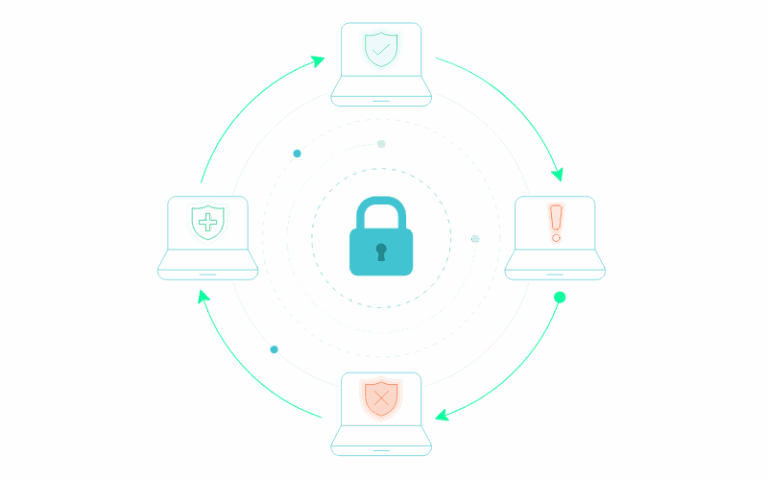
A RADIUS server functions as the centralized decision point for network access using the AAA framework and the RADIUS protocol.
When a connection request occurs, the network access device forwards credentials or certificates to the RADIUS authentication server using 802.1X. The RADIUS server validates the request against an identity provider, evaluates policy, and returns an accept or reject decision.
For passwordless deployments, Portnox supports EAP-TLS, using digital certificates issued and managed through automated workflows such as SCEP. This strengthens RADIUS authentication by eliminating passwords and reducing credential-based attacks.
This centralized model ensures consistent security enforcement across all network access points.
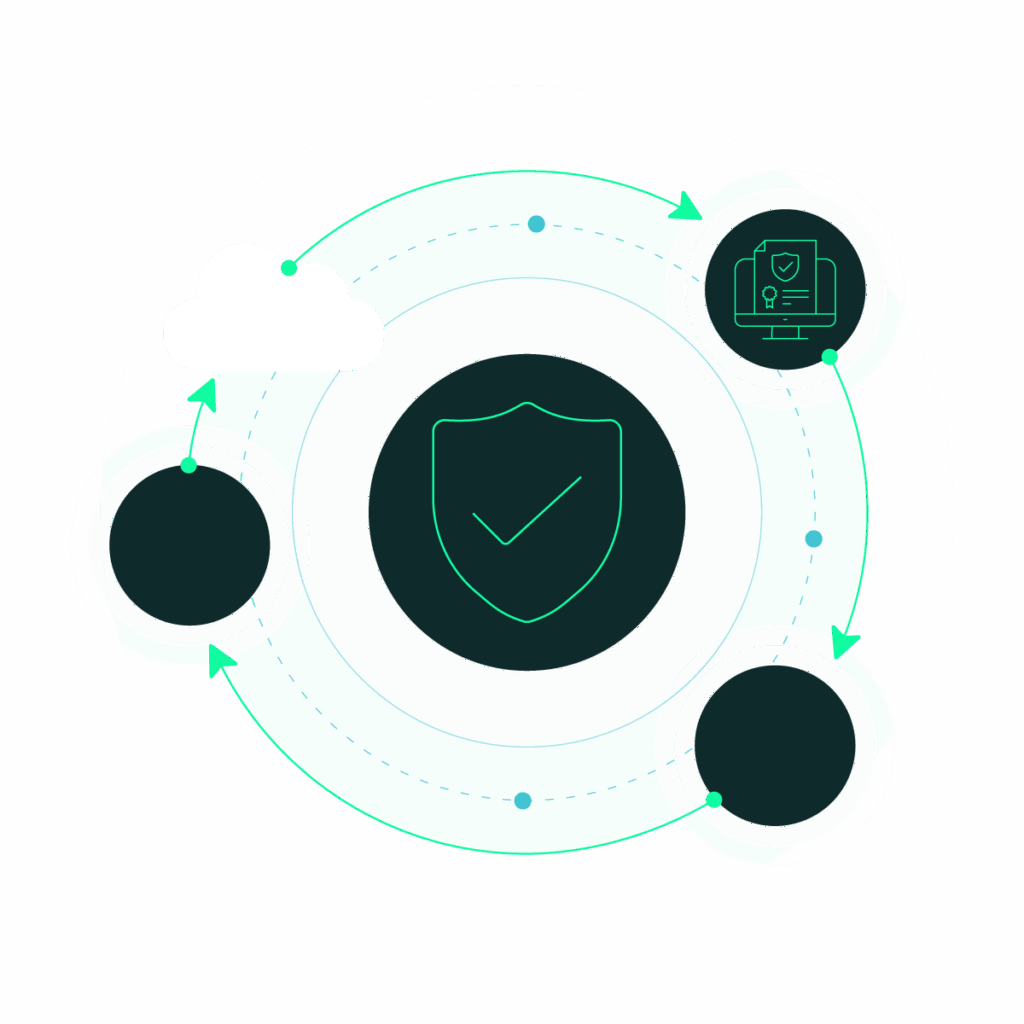

Traditional RADIUS servers rely on on-site infrastructure that must be deployed, patched, monitored, and made highly available.
A cloud RADIUS server removes these burdens entirely.
With Portnox Cloud RADIUS, organizations gain:
The result is enterprise-grade RADIUS authentication without the cost and complexity of appliance-based systems.
RADIUS plays a foundational role in zero trust by ensuring that every access request is authenticated, authorized, and logged.
Portnox integrates its cloud RADIUS authentication server into a broader Network Access Control (NAC) and Zero Trust Network Access (ZTNA) strategy, allowing organizations to:


Experience how a cloud-native RADIUS server simplifies authentication while strengthening control across every network access device.
Start your free 30-day trial or request a demo to see Portnox in action.
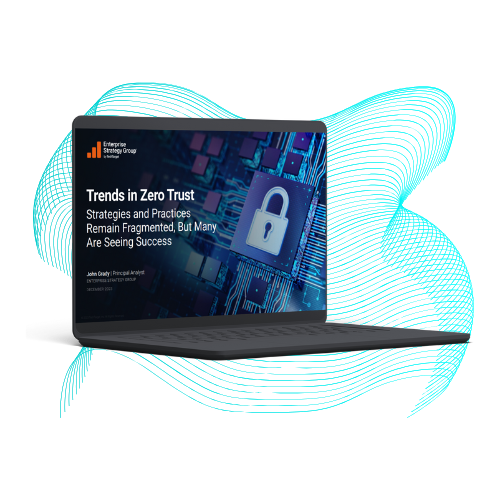
Staying ahead in IT means strengthening cybersecurity—and zero trust architectures now lead the charge. But let’s face it: embracing zero trust can feel daunting. With so many tools and complexities, it’s easy to lose your way.
To understand how organizations navigate zero trust, Portnox teamed up with TechTarget. We surveyed hundreds of IT and cybersecurity professionals across North America. Discover the insights we uncovered in our Trends in Zero Trust report.
A RADIUS server acts as a centralized authentication system that manages authentication, authorization, and accounting for network access. It validates user and device identities, enforces access policies, and logs activity across wired, wireless, and VPN environments.
A cloud RADIUS server eliminates on-prem infrastructure by delivering authentication as a managed service. It provides built-in high availability, automatic updates, and elastic scalability, reducing operational overhead while maintaining compatibility with existing network access devices.
RADIUS authentication supports 802.1X by validating credentials or certificates forwarded by network access devices. The RADIUS server evaluates identity using EAP methods and returns authorization decisions that determine whether users or devices are granted network access.
The RADIUS protocol enables centralized authentication and authorization across enterprise networks. It ensures consistent access control, records detailed accounting logs, and supports security policies that improve visibility, auditability, and enforcement at every network entry point.
Certificate-based RADIUS authentication replaces passwords with cryptographic certificates using EAP-TLS. This approach reduces phishing and credential theft risks, strengthens identity assurance, and supports zero trust access models through strong, device-bound authentication.
Yes. Portnox Cloud RADIUS is designed to fully replace traditional on-prem radius servers, eliminating hardware, operating system maintenance, and manual scaling while improving resilience and operational efficiency.
Portnox Cloud RADIUS supports industry-standard authentication methods used by enterprise radius servers, including certificate-based authentication, identity-driven access, and policy-based authorization—enabling secure access without sacrificing user experience.
After completing the form, an email will be sent to you with the report download link.