
PEAP (Protected Extensible Authentication Protocol) is an 802.1X authentication method that secures Wi-Fi network logins by wrapping the credential exchange in an encrypted TLS tunnel, protecting it from interception. Portnox Cloud delivers PEAP, alongside certificate-based EAP-TLS, as a cloud-native RADIUS service, letting organizations authenticate wired and wireless users without managing on-premises servers.

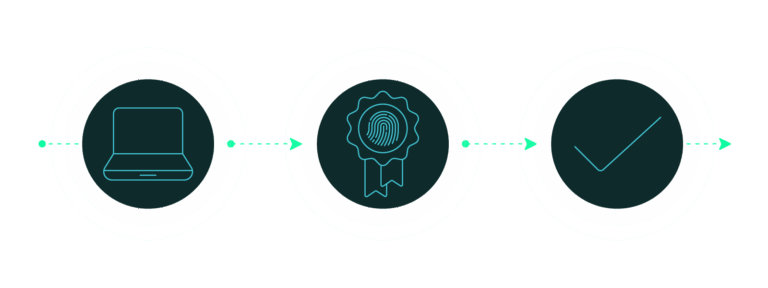
Certificate-based authentication is not only easy to set up with Portnox (use us as your Certificate Authority or bring your own!), it’s also hands-down the best practice across the industry to keep your network secure. Never worry about another poorly-worded phishing e-mail designed to capture user accounts again with Portnox and certificate-based authentication!
Portnox supports SCEP (Simple Certificate Enrollment Protocol) so getting certificates deployed to all of your devices will be easy and fast. We seamlessly integrate with MDM solutions like Jamf and InTune too, so your mobile users aren’t left out. Your IT staff will love how easy it is to take your authentication methods to the next level, and your users will love not having to remember 10,000 passwords.
Staying ahead in IT means strengthening cybersecurity—and zero trust architectures now lead the charge. But let’s face it: embracing zero trust can feel daunting. With so many tools and complexities, it’s easy to lose your way.
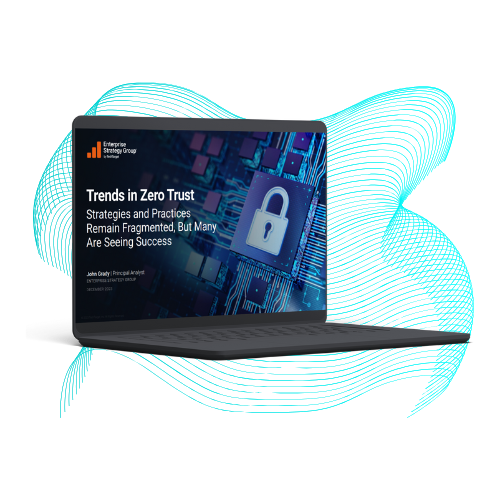
To understand how organizations navigate zero trust, Portnox teamed up with TechTarget. We surveyed hundreds of IT and cybersecurity professionals across North America. Discover the insights we uncovered in our Trends in Zero Trust report.
PEAP (Protected Extensible Authentication Protocol) is an 802.1X method that secures Wi-Fi authentication by wrapping credentials in an encrypted TLS tunnel. It was designed to protect password-based logins from interception on wireless networks, where traffic would otherwise be exposed over the air.
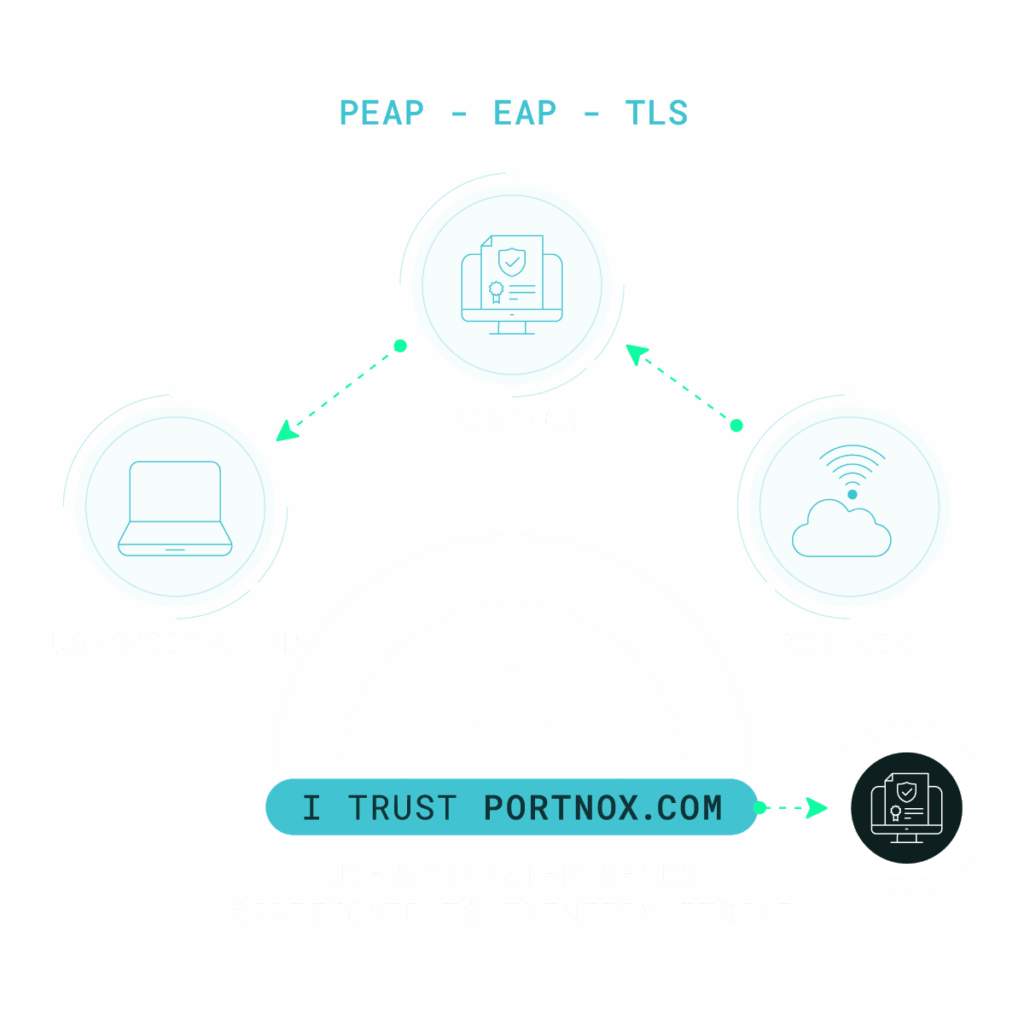
PEAP authenticates Wi-Fi users in three steps: first, the client validates the server’s certificate; next, the user’s identity is verified using EAP credentials; and finally, encryption keys are exchanged to protect all data transmitted between the client and the server.
EAP is a flexible authentication framework supporting multiple credential types, while PEAP is a specific EAP method that adds TLS encryption for enhanced security. PEAP authenticates users through a secure server-based process, protecting credential exchange during wireless network access.
PEAP uses Transport Layer Security (TLS) encryption to protect communication between the client and the RADIUS server. TLS establishes an encrypted tunnel that secures credential exchange, ensuring authentication data remains confidential and tamper-resistant throughout the connection process.
Portnox Cloud natively supports PEAP authentication by validating user credentials and device posture before granting network access. When a device attempts to connect, Portnox uses PEAP to establish a secure, encrypted authentication tunnel back to the cloud platform. This enables robust protection for credential exchange while enforcing posture checks and policy decisions in real time.
Yes. Portnox Cloud extends PEAP authentication to both wired and wireless environments, ensuring consistent access control regardless of how devices connect. By integrating with existing network infrastructure and enforcing centralized policies from the cloud, Portnox provides secure PEAP-based authentication across access methods without requiring separate solutions for different connection types.
PEAP improves security by encrypting the authentication process and protecting credentials during transmission. Combined with Portnox Cloud’s policy engine, PEAP ensures that only authenticated users and compliant devices are granted access. This prevents credential theft and unauthorized connections that are common with open SSIDs or shared keys, strengthening the overall network access posture.
PEAP authenticates users with a username and password inside an encrypted tunnel and requires only a server certificate. EAP-TLS uses client and server certificates for mutual, passwordless authentication. EAP-TLS is more secure because it removes passwords; Portnox Cloud supports both.
PEAP is secure in that it encrypts credentials inside a TLS tunnel, preventing interception over the air. However, PEAP still relies on passwords, which can be phished or cracked. Certificate-based EAP-TLS removes that risk, which is why Portnox Cloud recommends it for stronger security.
PEAP requires a server-side certificate on the RADIUS server to build its encrypted tunnel, but it does not require a certificate on each client device, client authentication uses credentials instead. Portnox Cloud provisions the server certificate as part of its cloud RADIUS service.
PEAP-MSCHAPv2 is the most common form of PEAP, pairing the protocol’s encrypted tunnel with MSCHAPv2 for username-and-password authentication. It is widely supported across devices but depends on password strength. Portnox Cloud supports PEAP-MSCHAPv2 and certificate-based EAP-TLS for passwordless authentication.
PEAP and WPA2 work together rather than competing. WPA2 is the Wi-Fi encryption standard that protects data over the air, while PEAP is the 802.1X method that authenticates users before they connect. Portnox Cloud provides the RADIUS authentication layer that PEAP and WPA2-Enterprise rely on.
After completing the form, an email will be sent to you with the report download link.